Night Sky Network
Astrology and astronomy share the same ancient roots. For most of human history they were practiced together. Modern astronomy became a distinct science in the 17th century, but astrology remains culturally significant worldwide as a symbolic language of the sky.
What is Astronomy?
Astronomy is the natural science that studies celestial objects and phenomena using mathematics, physics, and chemistry. It explains the origin, evolution, and ultimate fate of planets, stars, galaxies, nebulae, and the universe itself. Unlike astrology, astronomy is a precise empirical science grounded in observation and measurement.
Collecting data from telescopes, satellites, and space probes to study light, radio waves, and other signals.
Using mathematics and computer models to describe and predict how celestial objects form, evolve, and interact.
Sending spacecraft and instruments beyond Earth's atmosphere to study planets, moons, asteroids, and beyond.
What Each Planet Represents
Each planet in our solar system carries both a scientific identity and a symbolic meaning that has shaped human culture, myth, and calendar-making for thousands of years.
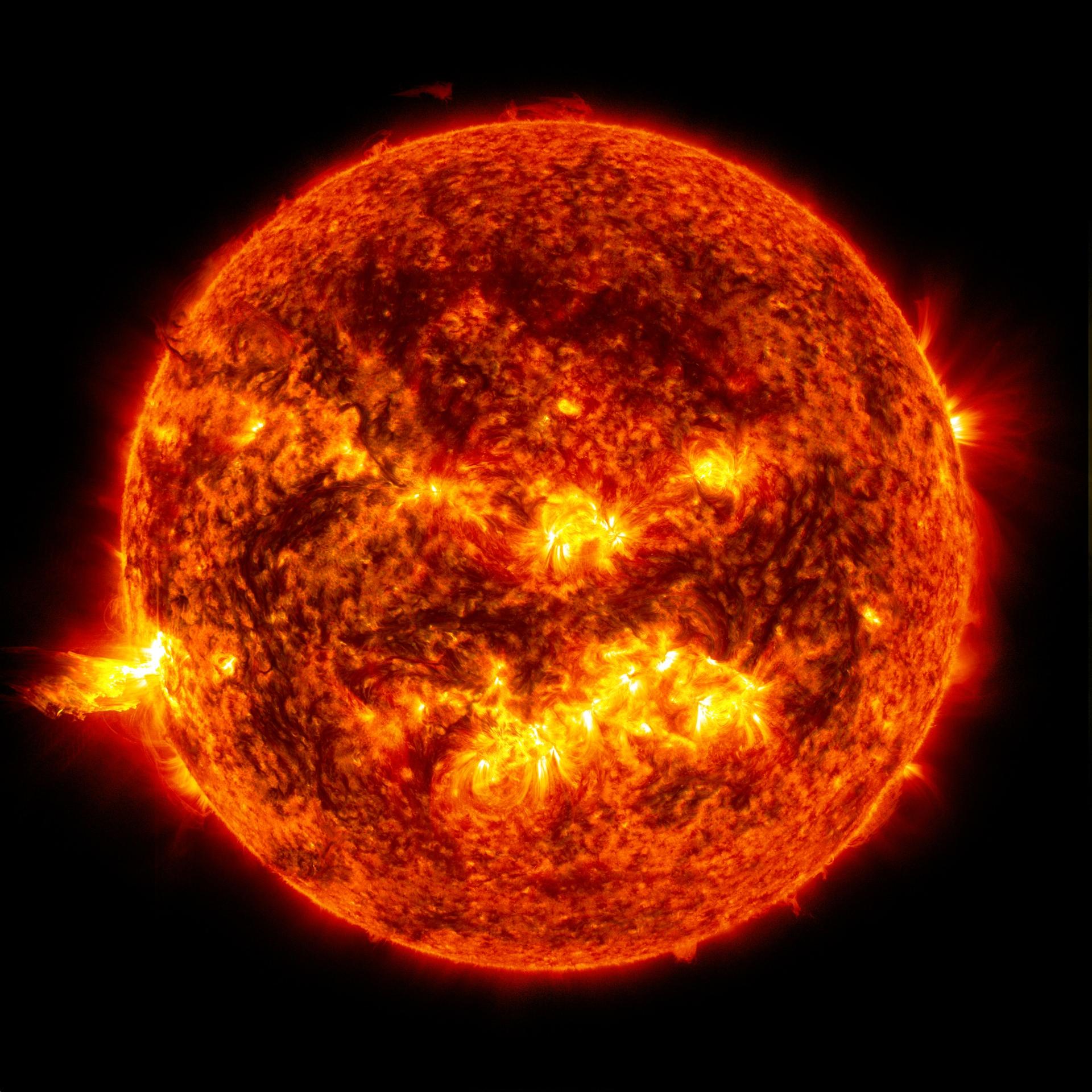
G-type star; 109× Earth's diameter; surface ~5,500 °C
Core identity, ego, life purpose, vitality
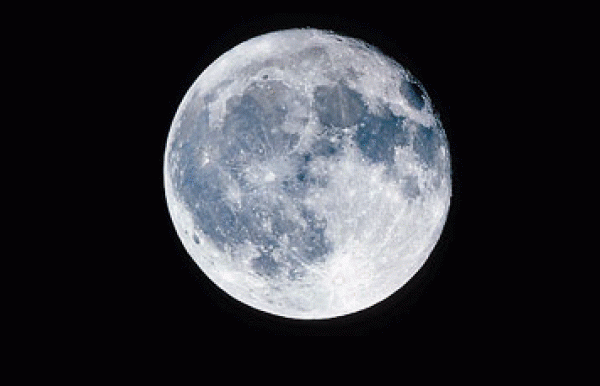
Earth's only natural satellite; heavily cratered; no atmosphere
Emotions, instincts, memory, the subconscious
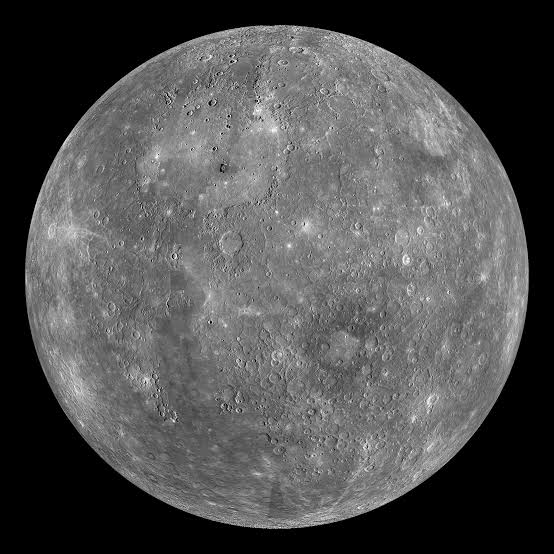
Smallest planet; −180 to 430 °C; dense iron core
Communication, intellect, travel, commerce
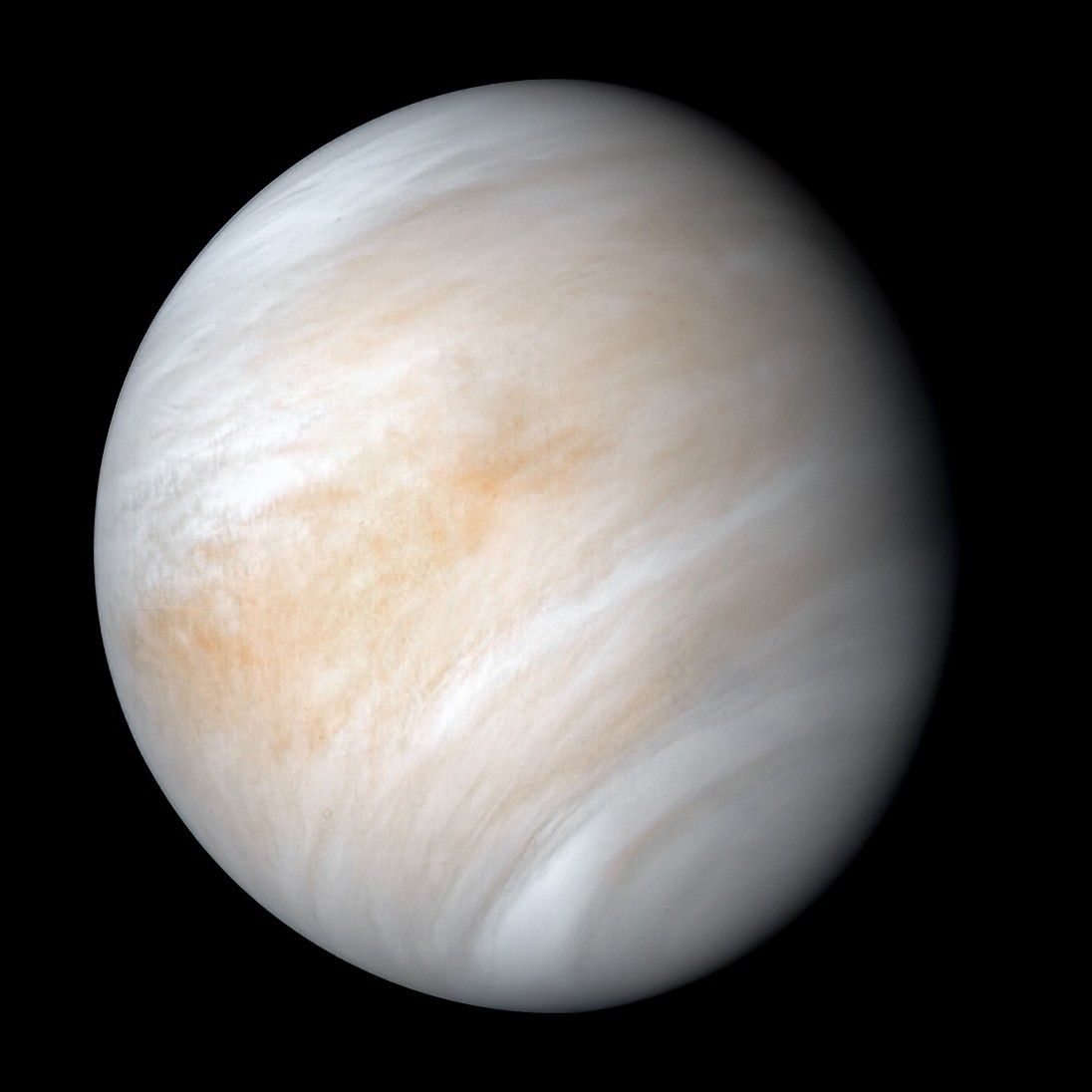
Hottest planet (~465 °C); CO₂ atmosphere; rotates backward
Love, beauty, harmony, values, relationships
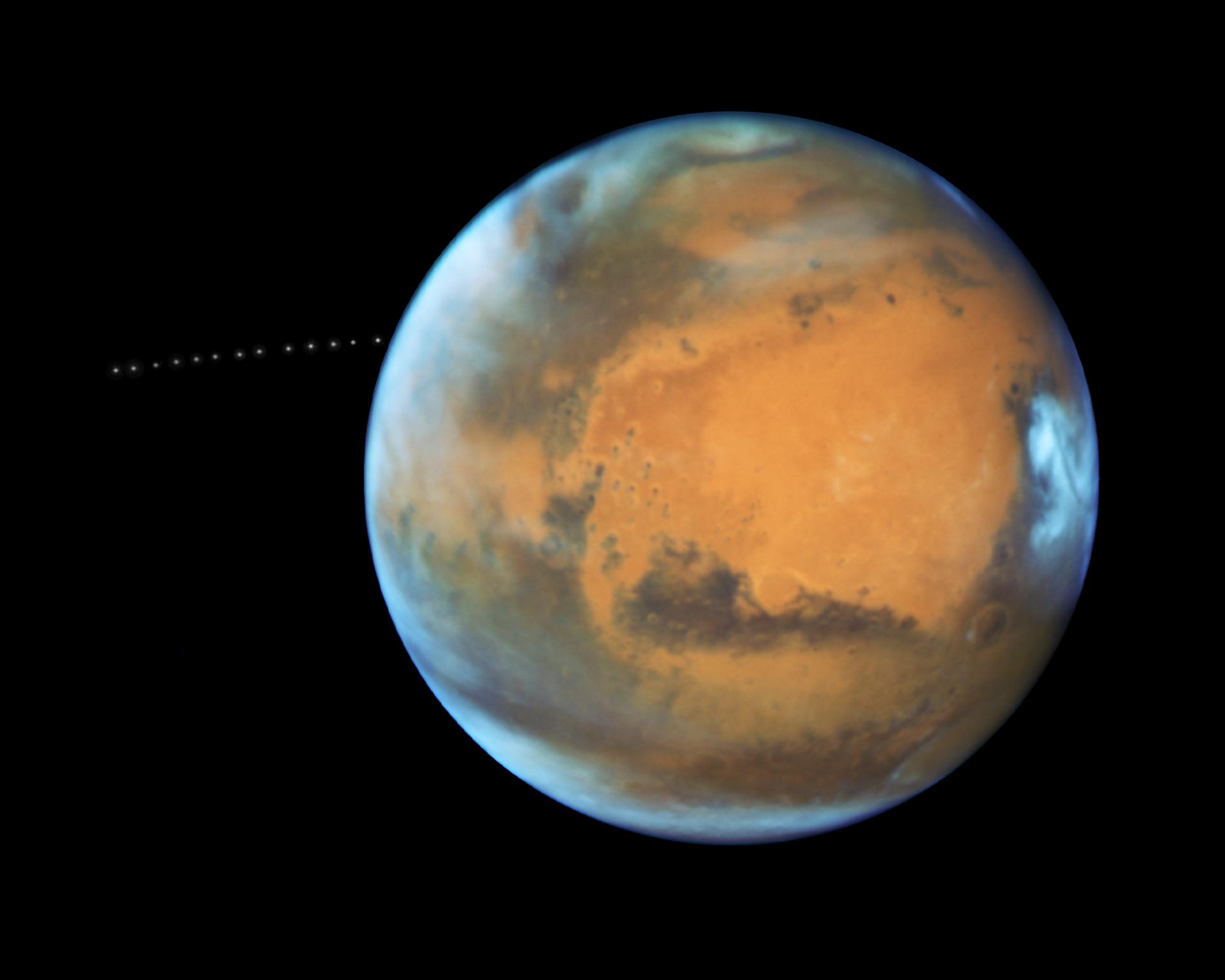
Iron oxide surface; Olympus Mons; thin CO₂ atmosphere
Action, desire, courage, conflict, energy
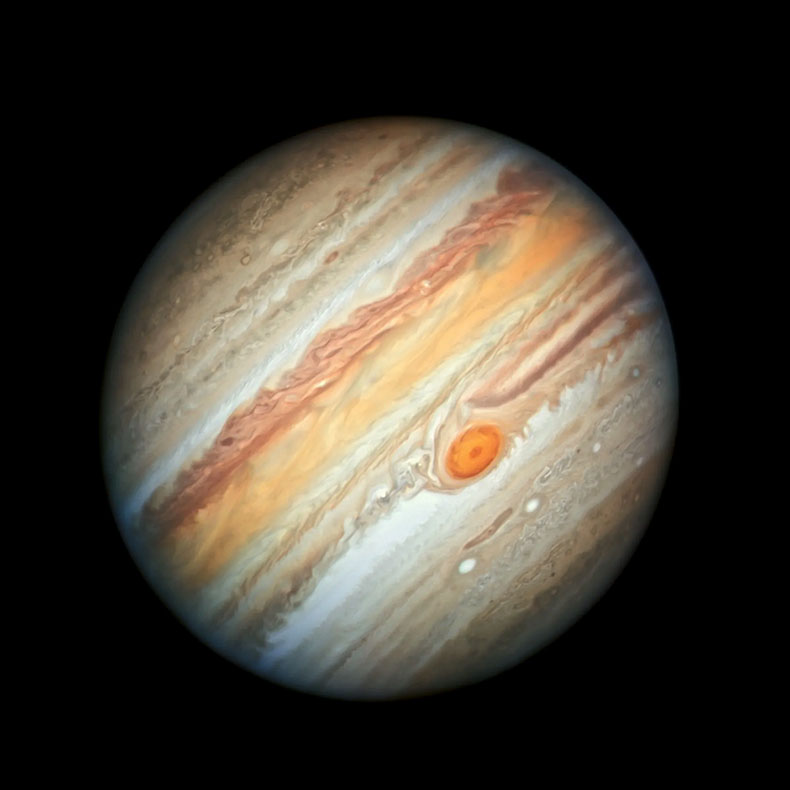
Largest planet; Great Red Spot storm; 95 moons
Expansion, wisdom, luck, philosophy, growth
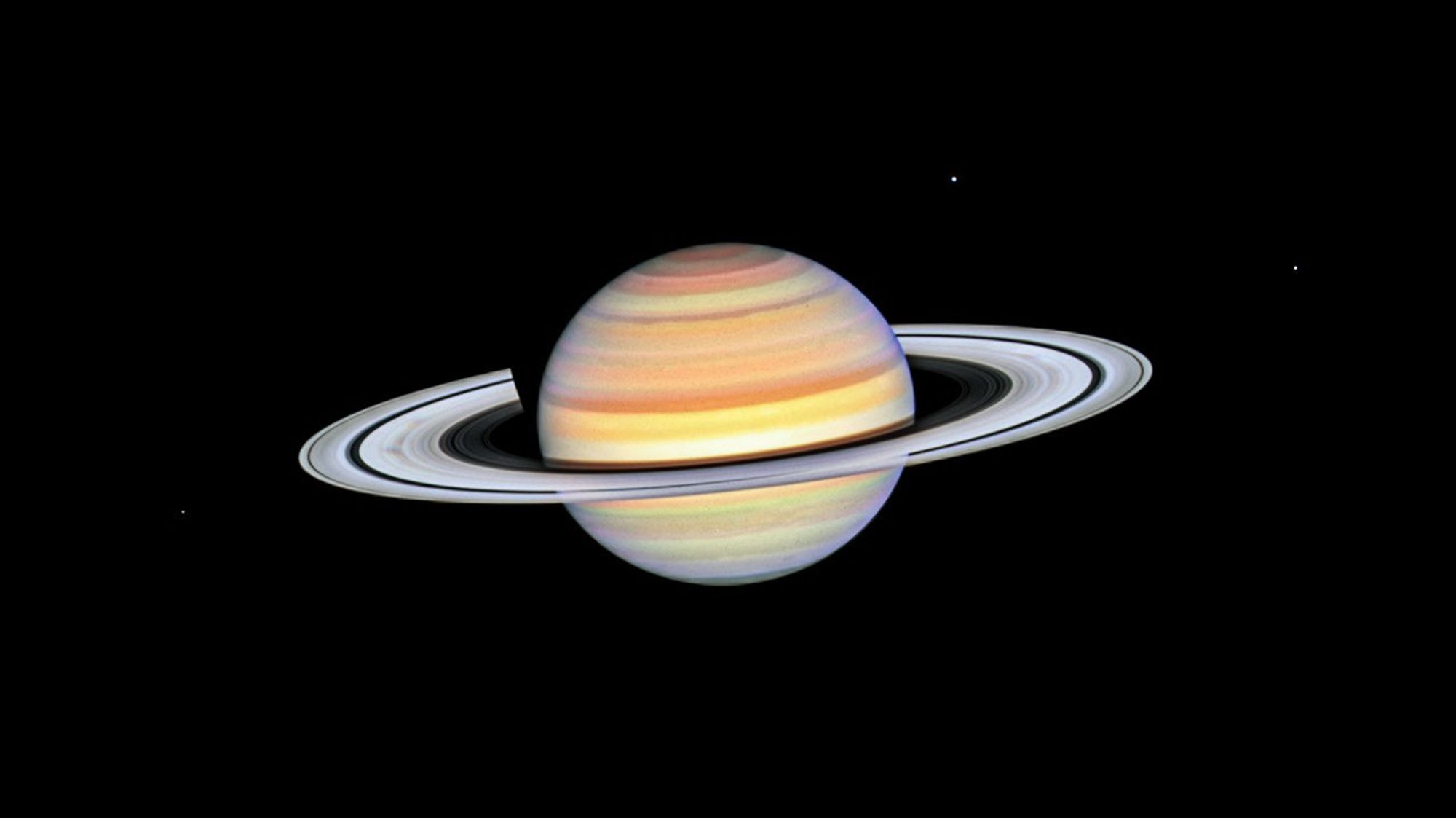
Iconic ring system; least dense planet; 146 moons
Discipline, structure, time, karma, limitation
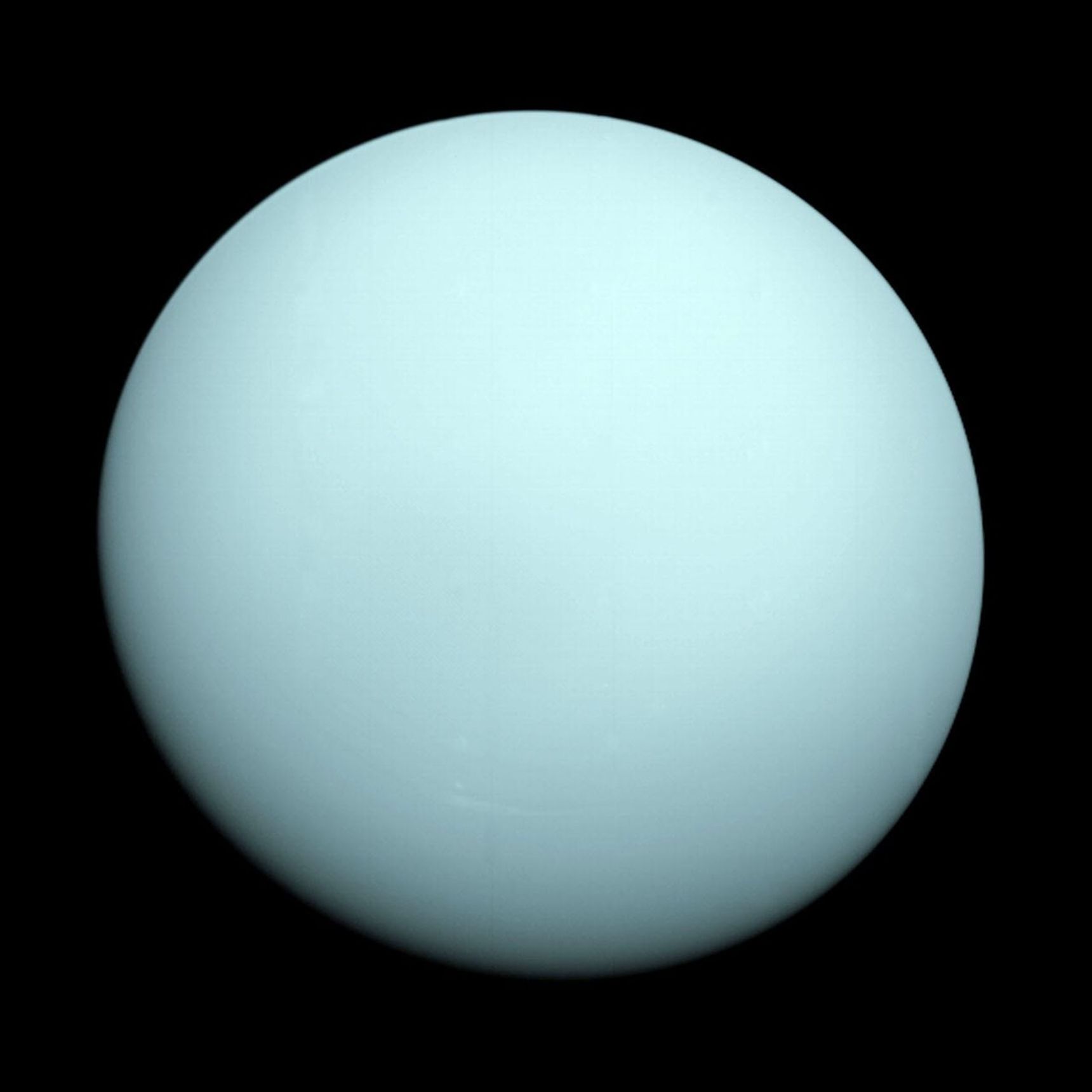
Ice giant; tilted 98° — rolls on its side; faint rings
Innovation, disruption, freedom, the unexpected
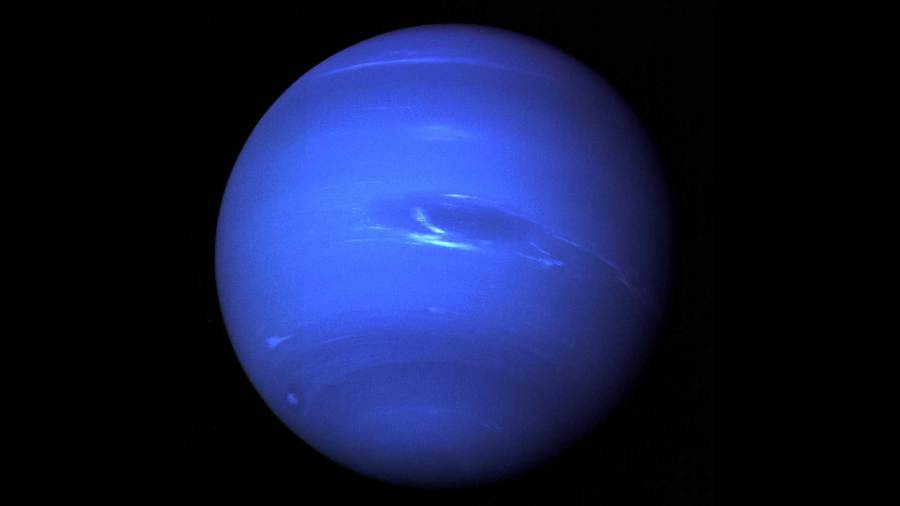
Windiest planet (2,100 km/h); Great Dark Spot; 14 moons
Dreams, intuition, spirituality, illusion
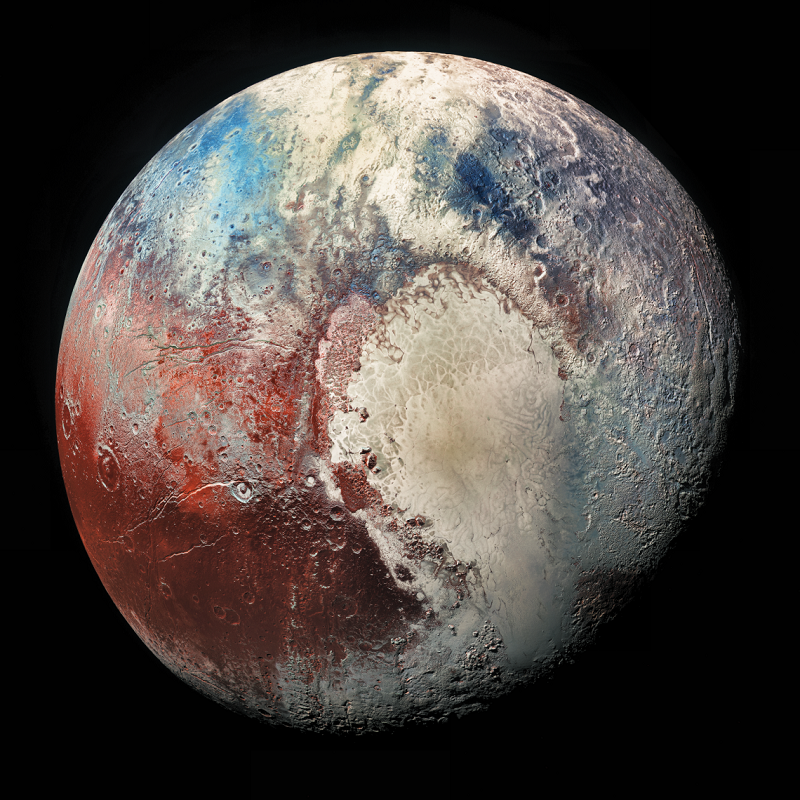
Dwarf planet; Tombaugh Regio (nitrogen ice heart); 5 moons
Transformation, power, death and rebirth, the unconscious
The Northern Lights
One of Earth's most breathtaking natural wonders — a living curtain of light painted across the night sky by the Sun itself.
The Aurora Borealis (Northern Lights) is a natural light display that occurs when charged particles from the Sun — carried on the solar wind — collide with gases in Earth's upper atmosphere. These collisions release energy as visible light, creating shimmering curtains, arcs, and waves of color across the polar sky.
The Southern Hemisphere equivalent is called Aurora Australis (Southern Lights). Together they are called the polar auroras — among the most awe-inspiring sights visible from Earth's surface.
Aurora Colors & What Causes Them
Oxygen atoms at 60–150 miles altitude — the most common aurora color.
High-altitude oxygen above 150 miles, excited by lower-energy particles.
Nitrogen molecules at lower altitudes, often seen along the lower edge of the aurora.
A mix of nitrogen and oxygen at the lower boundary of the aurora curtain.
🌍 Where to See the Northern Lights
- →Arctic Norway (Tromsø), Sweden & Finland — prime viewing Oct–Mar
- →Iceland — near Reykjavik and away from city light
- →Northern Canada — Yukon, Northwest Territories, Manitoba
- →Alaska — Fairbanks is a world-renowned aurora destination
- →Northern Scotland — visible during strong geomagnetic storms
- →During strong solar events, sightings reach as far south as New York and Texas
✨ The Northern Lights in Faith & Tradition
- Norse mythology: The aurora was believed to be the shimmer of the shields and armor of the Valkyries riding across the sky.
- Inuit tradition: Many Inuit peoples saw the lights as spirits of the dead playing ball, or ancestors communicating from the afterlife.
- Finnish folklore: The word for aurora — revontulet — means 'fox fires,' from a legend of a cosmic fox running across the sky, its tail brushing sparks.
- Christian symbolism: Medieval Europeans sometimes interpreted bright auroras as divine signs — armies of angels or omens sent by God.
Track Aurora Activity in Real Time
NOAA's Space Weather Prediction Center provides live geomagnetic storm forecasts and aurora visibility maps updated every few minutes.
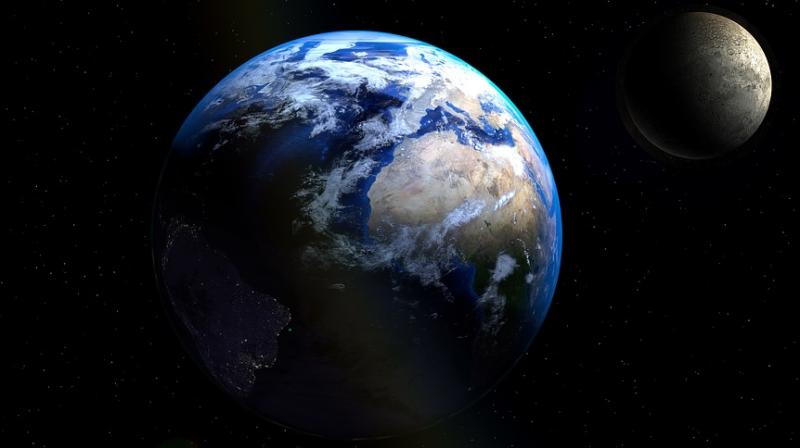
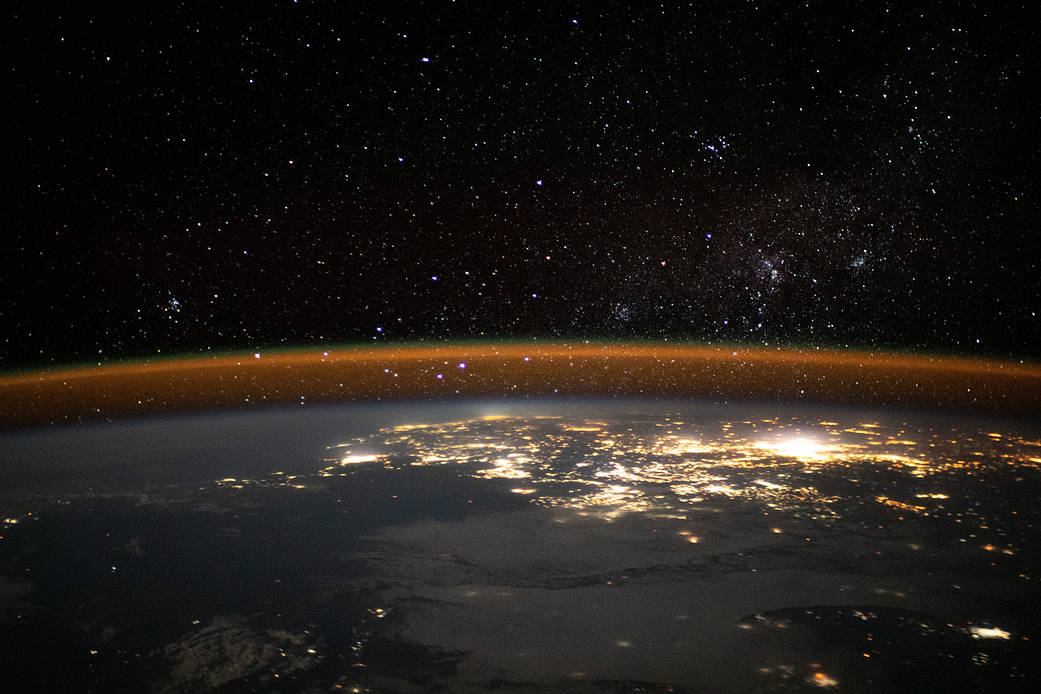
Space — Earth Seen From Above
When we look at Earth from space, everything changes — borders disappear, and we see one shared home. NASA's Earth System Observatory gives us the most complete picture of our planet ever assembled.
- ●The atmosphere: layers, weather, and air quality
- ●Aerosols: smoke, dust, and particles from wildfires to Saharan sand
- ●Satellites and how they orbit and observe
- ●The overview effect: wonder and responsibility from orbit
- ●How the five ESO missions work together as a system