Our Sun: Facts
The Sun is the star at the center of our solar system — a nearly perfect ball of hot plasma generating energy through nuclear fusion at its core. It is the ultimate source of light, warmth, and life on Earth.
Explore Our Sun on NASA.gov →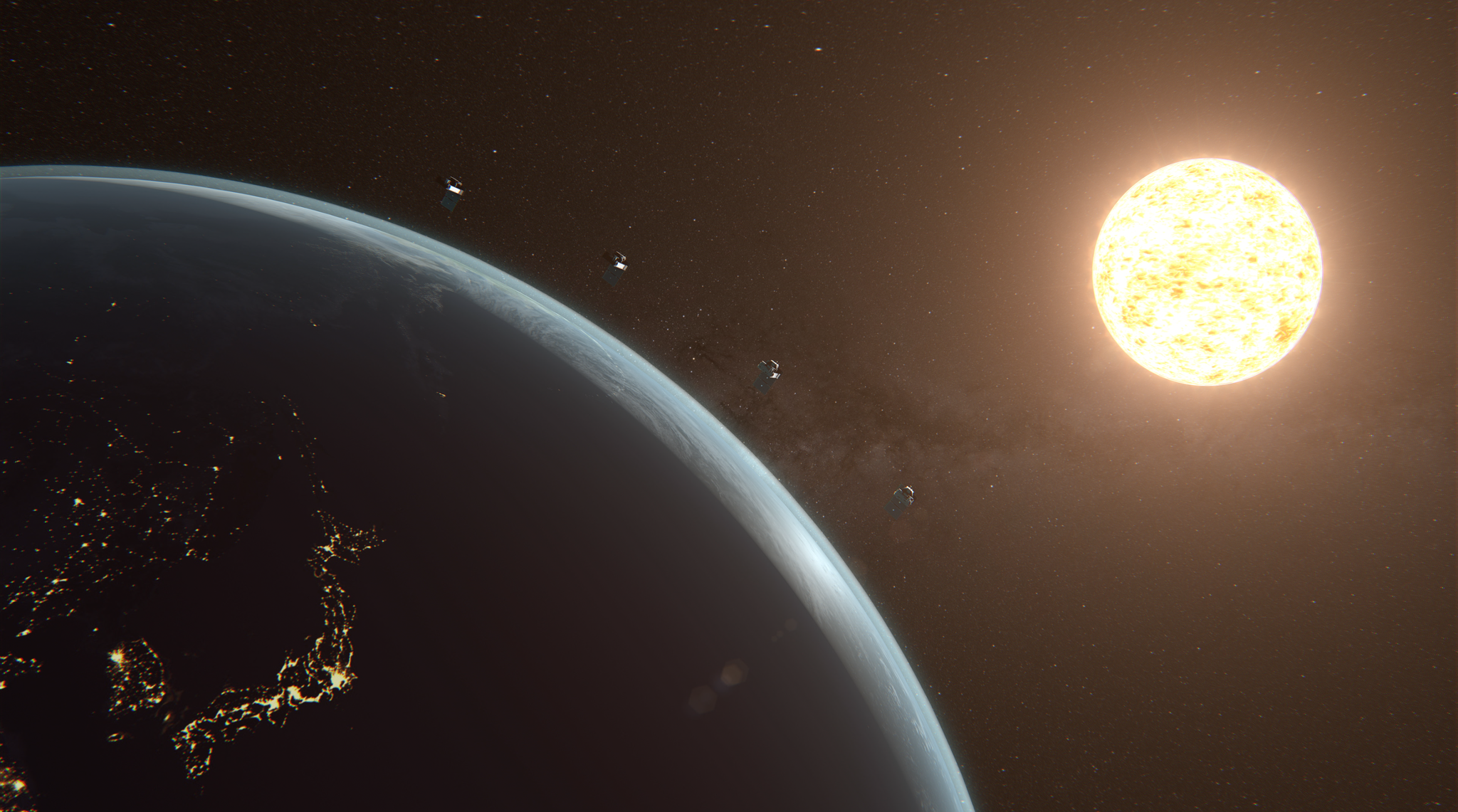
Missions Exploring Our Sun
NASA and its partners operate a fleet of spacecraft dedicated to studying the Sun — from its surface and atmosphere to the solar wind that shapes our entire solar system.
The closest any spacecraft has ever flown to the Sun — diving into the solar corona to study solar wind and magnetic fields at unprecedented proximity.
A joint ESA–NASA mission capturing the first close-up images of the Sun's poles and studying the heliosphere from inside Mercury's orbit.
Continuously watches the Sun in multiple wavelengths, tracking solar flares, sunspots, and the Sun's magnetic field in real time.
Two spacecraft providing stereoscopic views of the Sun and tracking coronal mass ejections as they travel toward Earth.
One of the longest-running solar observatories — studying the Sun's interior, atmosphere, solar wind, and has discovered thousands of comets.
Four small spacecraft working together to image the Sun's corona and the solar wind as a continuous, connected system for the first time.
Land — The Ground Beneath Our Feet
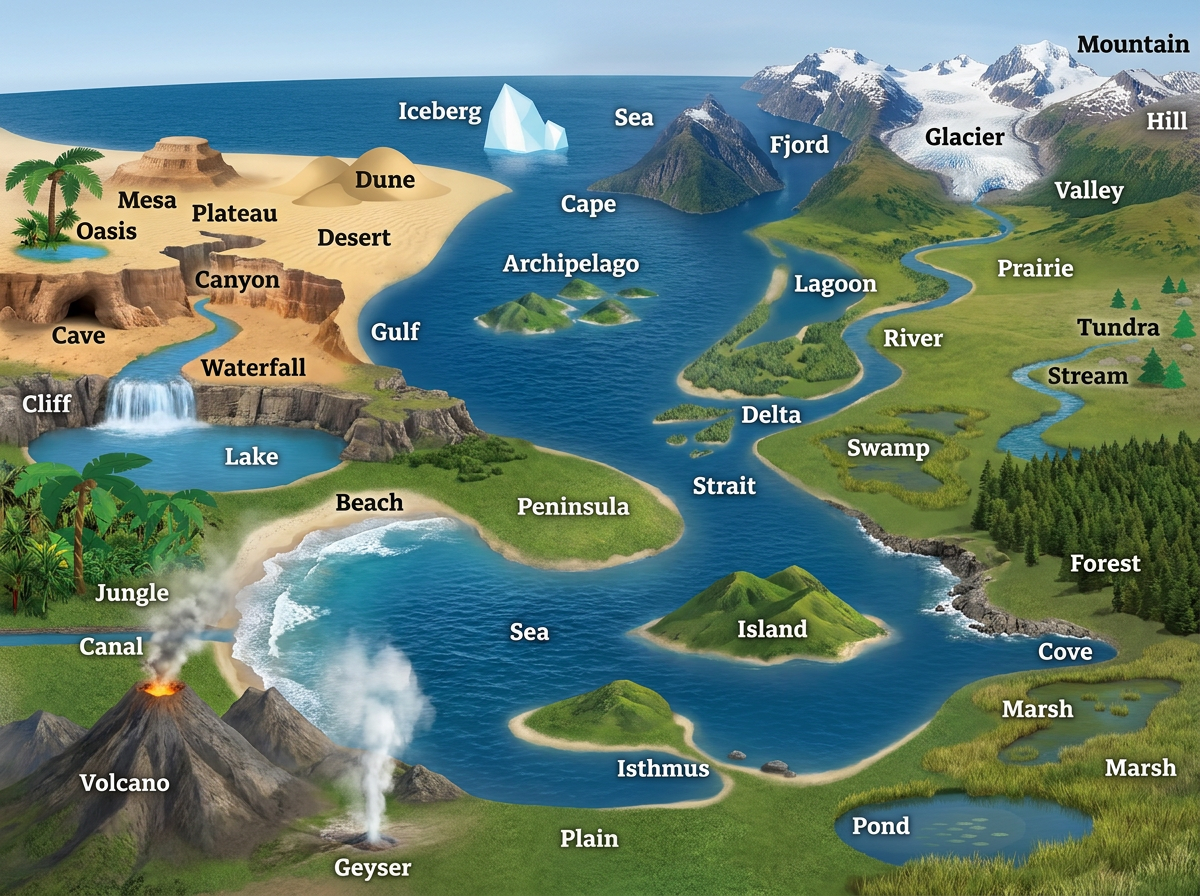
From ancient forests to urban skylines, the land tells the story of creation, culture, and community. NASA's Surface Biology & Geology (SBG) and Surface Deformation & Change (SDC) missions track how land evolves — giving us new eyes on the world our children will inherit.
- ●Soil, rock, and vegetation — Earth's living skin
- ●Geography, maps, and the names we give places
- ●Land stewardship as a faith value across traditions
- ●SBG mission: minerals, crops, ecosystems from orbit
- ●SDC mission: earthquakes, volcanoes, sinking coastlines

Water — The Waters of the World
Water covers more than two-thirds of our planet and holds a central place in nearly every faith tradition. NASA's Clouds, Convection & Precipitation (CCP) and Mass Change (MC) missions study rain, ice, and ocean mass — connecting the ancient wonder of water to cutting-edge science.
- ●Oceans, rivers, and the water cycle explained
- ●Water in scripture, prayer, and ritual across traditions
- ●Tides, currents, and marine ecosystems
- ●CCP mission: clouds, storms, and rainfall patterns
- ●MC mission: melting ice sheets and rising seas
A framework for connected learning
Use Land, Water & Space as a three-part lens for any lesson — geography, creation care, marine history, or astronomy. Pairs with SSN curriculum kits, Night Sky Network star parties, and NASA's free educator resources.
Resources on this page link to NASA.gov. SSN is not an official NASA partner.